
The Sri Lankan textile and apparel (T&A) sector has entered a critical phase of structural realignment as of early 2026. After years of heavy reliance on external suppliers, the island nation successfully recorded a strategic easing in fabric import expenditures to $2.1 billion in 2025. This shift is far more than a budgetary adjustment; it represents a sophisticated maneuver to bolster domestic value addition and accelerate "speed-to-market" capabilities in an increasingly volatile global trade environment. While China remains the primary supplier, accounting for approximately 45 percent of total import volume, the marginal decline in external sourcing highlights Sri Lanka’s ambition to achieve self-reliance through vertical integration.
The cornerstone of this import reduction strategy is the operationalization of the Eravur Fabric Processing Park. This dedicated industrial zone was specifically designed to localize raw material sourcing, allowing Sri Lankan exporters to bypass the 10-15 percent cost premium typically associated with freight and logistics. By focusing on high-tech synthetic and functional fabrics, Sri Lanka is positioning itself to capture the surging demand for "athleisure" in Western markets. This transition is viewed as essential for maintaining the industry’s $5.5 billion annual export target, especially as regional competitors like Vietnam leverage integrated supply chains to offer aggressive pricing.
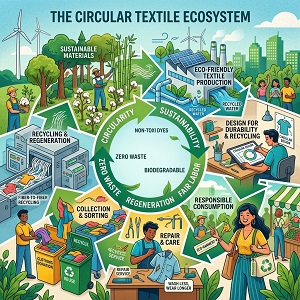
Simultaneously, regional dynamics and global sustainability mandates are forcing the industry to adapt at an unprecedented pace. Under the "Tex-Eco" mandate, 2026 projections indicate a 12 percent rise in demand for recycled and organic textiles. To safeguard profit margins against currency fluctuations and external supply chain shocks, the Joint Apparel Association Forum (JAAF) is advocating for deeper trade agreements that facilitate the duty-free entry of high-quality raw materials for premium segments that still require specialized global inputs.
Industry analysts emphasize that the transition toward sustainable local production is the only viable path for Sri Lanka to maintain its reputation as a global leader in ethical manufacturing.
"The focus is now on vertical integration and green manufacturing. By localizing fabric production, we are not only reducing costs but also strengthening Sri Lanka’s position as a responsible premium garment provider, aiming for an $8 billion export valuation by 2030," noted a representative from the industry association.
As a pioneer of the "Garments without Guilt" standards, Sri Lanka is doubling down on its expertise in premium lingerie, sportswear, and complex knitwear for the US and EU markets. By realigning its operations, the Sri Lankan garment industry is proving that future competitiveness is not merely defined by low labor costs, but by speed, technological sophistication, and a steadfast commitment to the planet.