
Public awareness regarding environmental issues and microplastic waste has achieved significant momentum worldwide in recent years. Based on a comprehensive survey released by Cotton Incorporated, which surveyed 28,813 consumers across multiple countries, cotton has emerged as the safest natural fiber for the environment. An overwhelming 85 percent of global respondents believe that cotton is environmentally safe, securing the top position ahead of wool at 81 percent, silk at 76 percent, and hemp at 69 percent.
In contrast, perceptions regarding man-made or synthetic fibers—such as rayon, viscose, spandex, polyester, and nylon—lag significantly behind natural alternatives. Only 43 percent of respondents view synthetic fibers as environmentally safe. Notably, more than half of the participants correctly identified that these synthetic textiles contain microplastics, which pose a severe threat to marine ecosystems. This heightened level of understanding is largely attributed to aggressive consumer education programs, including the worldwide "plant not plastic" campaign and targeted educational curricula in academic institutions.
Andrea Samber, Director of Brand Partnerships for Cotton Incorporated, noted that movements like Plastic Free July provide an exceptional platform to emphasize the environmental benefits of cotton. Public recognition of ocean microplastic pollution has risen significantly since 2017. This shifting mindset is actively driving purchasing behavior, with 84 percent of consumers now motivated to pursue sustainable lifestyle actions, while sustainability continues to influence clothing choices for 7 out of 10 shoppers globally.
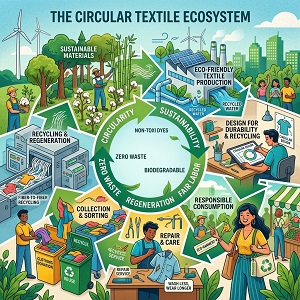
This evolving perspective is further bolstered by consumers' financial readiness to support sustainable fashion. The survey revealed that 60 percent of shoppers—particularly among Gen Z and millennials—are willing to pay a premium for eco-friendly apparel. Collaborative retail initiatives such as Blue Jeans Go Green and Cotton Lives On also play a vital role in diverting natural fibers from landfills, reinforcing that responsible textile waste management is essential for the future of the fashion industry.