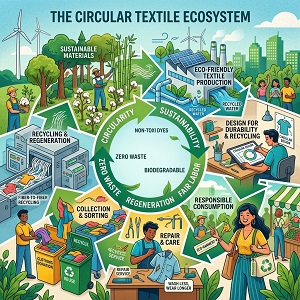

The global retail apparel industry is currently facing a dual challenge driven by stringent environmental regulations and shifting consumer shopping habits. The implementation of the EU’s Ecodesign for Sustainable Products Regulation (ESPR) has made the destruction of unsold inventory a punishable act, forcing companies to maintain transparency regarding the fate of their excess stock. Simultaneously, the combined impact of inflation, geopolitical conflicts, and rising costs has severely reduced consumers' disposable income, leading them to either curb spending or pivot toward the secondhand and resale markets.
The athleisure industry is currently undergoing a significant paradigm shift as consumer lifestyles become increasingly dynamic. Stewart Milligan, a senior material scientist and textile consultant for Cotton USA, explains that the demand for versatile clothing capable of transitioning seamlessly from work and social settings to the gym is a primary driver of modern material innovation. Consumers are increasingly prioritizing high performance coupled with comfort, specifically seeking softness, ease of movement, breathability, and advanced temperature and moisture control.
The global cotton market has navigated a highly dynamic period over the past month, marked by a significant price correction after reaching a peak in mid-May. The surge observed on May 11, where the July NY/ICE futures contract touched 88 cents/lb, has since faced downward pressure. Since then, market values slid as low as 71 cents/lb by June 10, although there has been a slight recovery to around 72 cents in recent trading. A similar trend occurred in the December contract, which retreated from its 88-cent peak to approximately 76 cents/lb in recent trading.
Page 2 of 6